How to Read a Peptide Certificate of Analysis (COA)
What each field on a peptide COA means and how to check one, worked through on the two independent reports North Peptides UK publishes for GHK-Cu and Retatrutide.
Read guide →Practical, research-use information on handling, reconstitution, storage and comparison of lyophilised research peptides - written for UK laboratory researchers. For research use only; nothing here is guidance for human or animal use.
What each field on a peptide COA means and how to check one, worked through on the two independent reports North Peptides UK publishes for GHK-Cu and Retatrutide.
Read guide →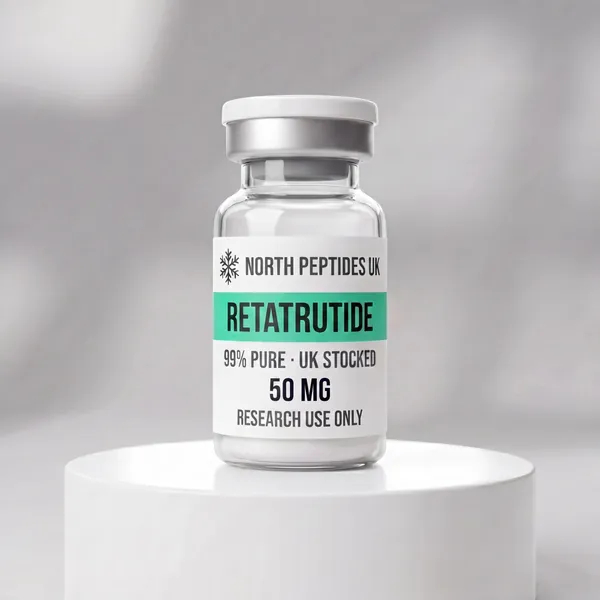
Reversed-phase HPLC from first principles - stationary phase, gradient, retention, peak-area purity - and the limits of a purity figure. Written for laboratory buyers.
Read guide →
Where research peptides sit under UK rules - the research-use-only position, why they are not medicines or supplements, and the consumer rights that apply when you order.
Read guide →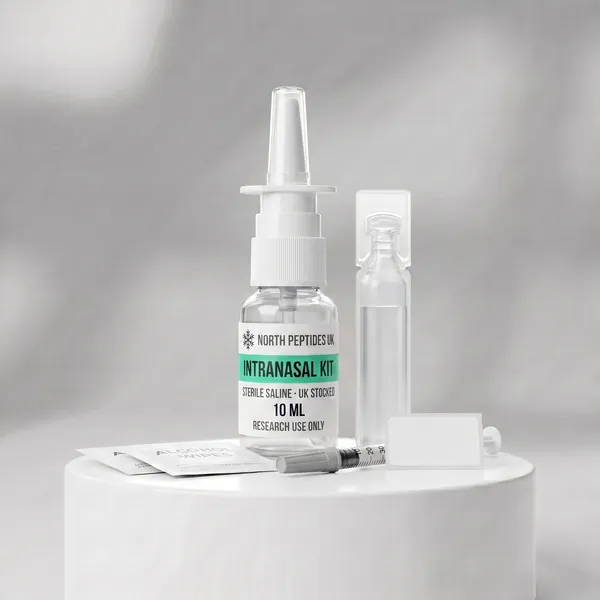
Preparing research peptides in an intranasal format for laboratory research models — equipment, preparation steps and compounds studied via intranasal routes in preclinical work.
Read guide →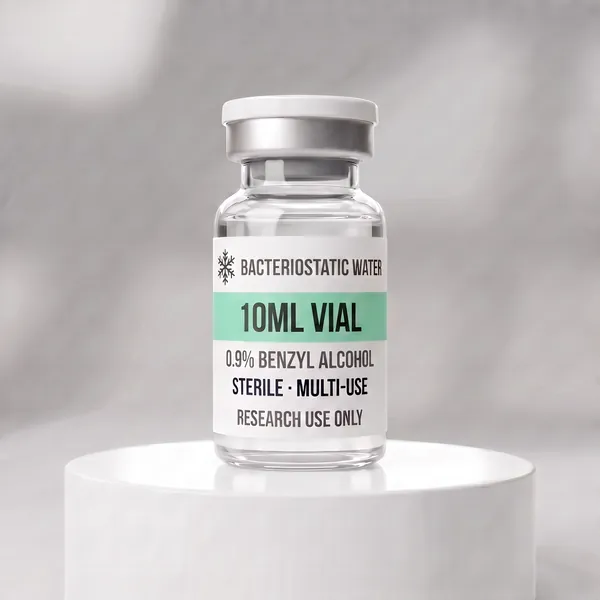
Correct storage conditions for lyophilised and reconstituted research peptides, including temperature, light, freeze-thaw cycle guidance and compound-specific notes.
Read guide →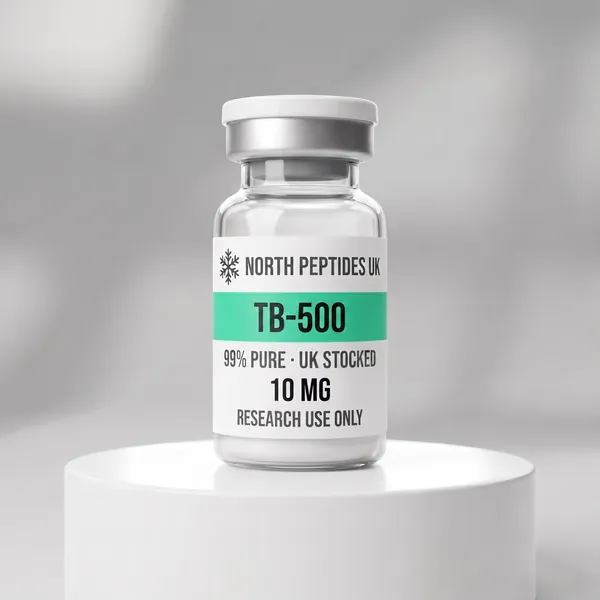
What TB-500 is, the research interest around it, and how it is supplied and handled as a research compound in the UK.
Read guide →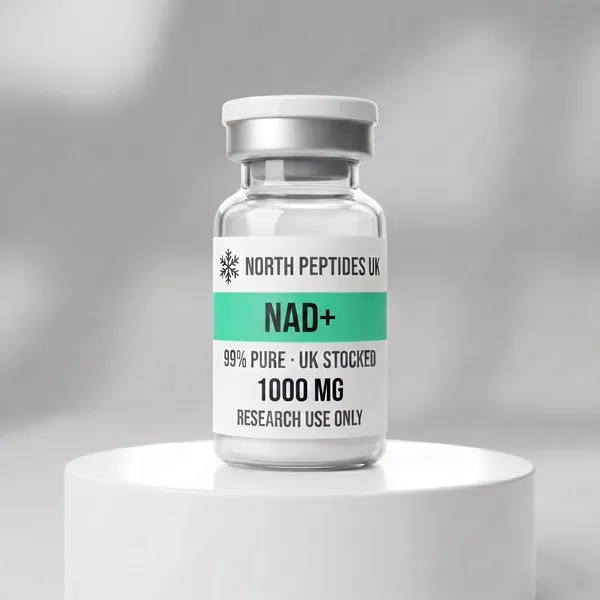
What the coenzyme NAD+ is, the cellular research interest around it, and how it is supplied and handled in the UK.
Read guide →
What the KLOW Stack contains, why the four compounds are blended, and how it is supplied and handled as a research material.
Read guide →
What the copper peptide GHK-Cu is, the research interest around it, and how it is supplied and handled in the UK.
Read guide →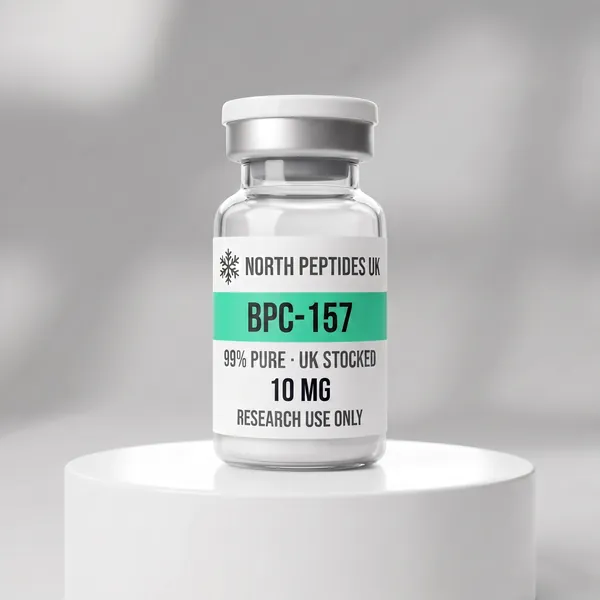
What BPC-157 is, why it is studied, and how it is supplied and handled as a research compound in the UK.
Read guide →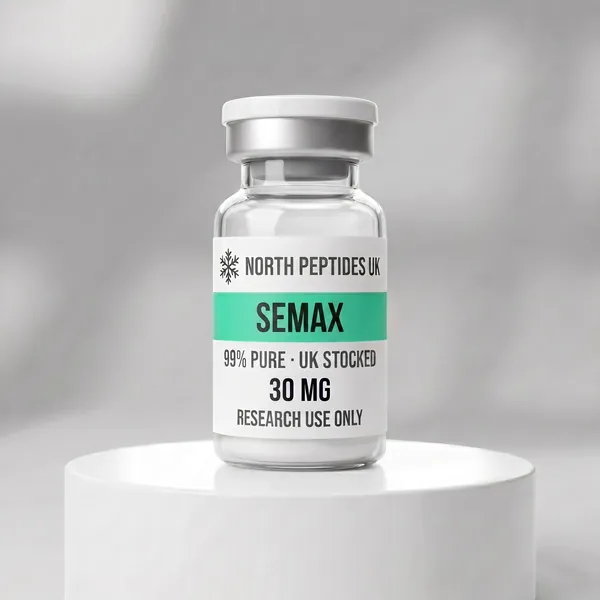
How the two nootropic research peptides Semax and Selank compare on origin, research interest, and how they are supplied and handled.
Read guide →
How two of the most-requested metabolic research compounds compare on receptor targets, supplied form, purity and UK handling.
Read guide →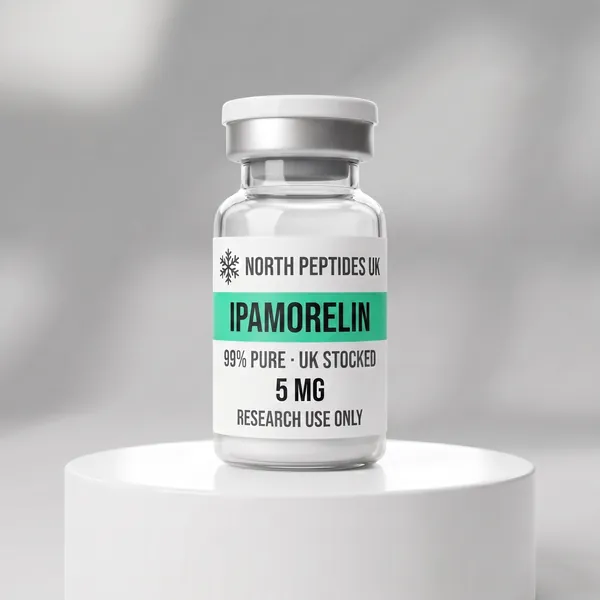
How Ipamorelin and CJC-1295 compare as growth-hormone secretagogue research peptides, and how they are supplied and handled.
Read guide →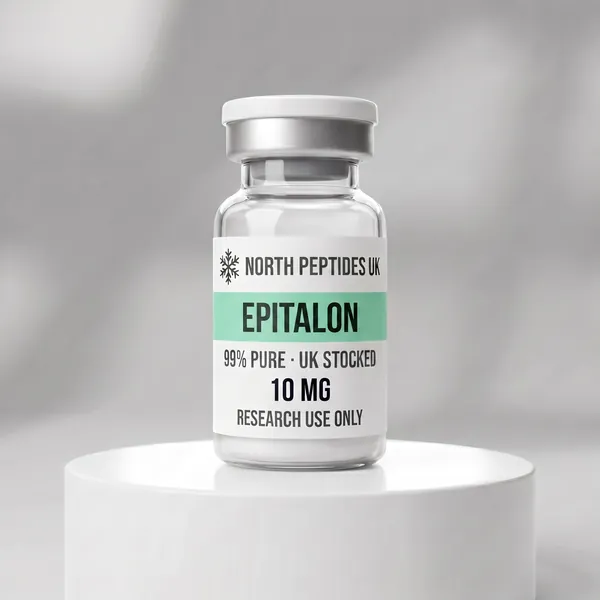
How the short peptide bioregulators Epitalon and Pinealon compare, the research interest around them, and how they are supplied and handled.
Read guide →
A practical checklist for UK researchers sourcing research peptides - what to verify on purity, documentation, stock and positioning before you order.
Read guide →
The real difference between bacteriostatic and sterile water for peptide reconstitution, and which solvent to use for research preparation.
Read guide →
How to reconstitute lyophilised research peptides with bacteriostatic water, including concentration arithmetic and storage, for laboratory handling.
Read guide →All guides are provided for laboratory research context only. Products supplied by North Peptides UK are research compounds - not medicines, and not for human or animal consumption.